
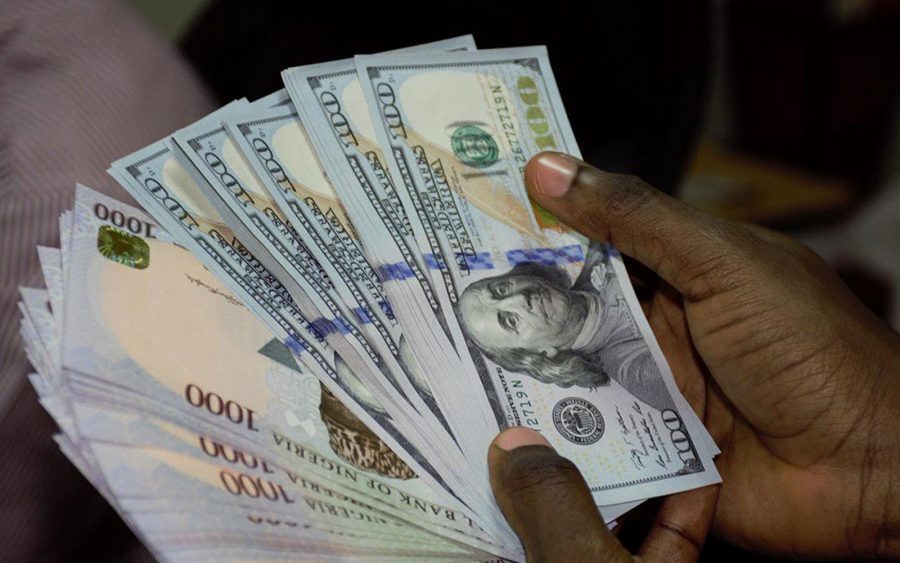
The Nigerian naira has maintained a steady position against the United States dollar as the month of November begins, supported by favorable developments in the energy sector and strengthening external financial buffers. Bonny Light, the country's benchmark crude grade, is currently trading at approximately $115 per barrel. Elevated risk premia and ongoing supply disruptions across global energy markets have driven prices upward, boosting dollar earnings from petroleum exports.
Domestic crude production has climbed past 1.53 million barrels per day, reaching roughly 1.7 million barrels daily when including condensates. This output level represents a four-year high and exceeds the country's designated OPEC quota. Industry analysts attribute the production gains to improved security conditions across the Niger Delta region and a notable reduction in pipeline vandalism incidents.
Gross foreign exchange reserves have risen to approximately $55 billion, while net reserves have reached a record $46 billion. These robust buffers provide the Central Bank of Nigeria with enhanced capacity to intervene in the foreign exchange market, service external debt obligations, and meet legitimate demand for imports and capital repatriations.
Foreign exchange trading ranges have remained relatively stable, with the official interbank rate hovering around N1,346 per dollar and parallel market quotes maintaining a narrow premium between N1,380 and N1,390. Meanwhile, increased domestic refining capacity from facilities like the Dangote refinery has begun to alleviate foreign exchange pressure traditionally driven by petroleum product imports.
Source reporting: Leadership — 2026-11-02 03:20:02




0 comments
Join the discussion with a respectful, relevant comment.