
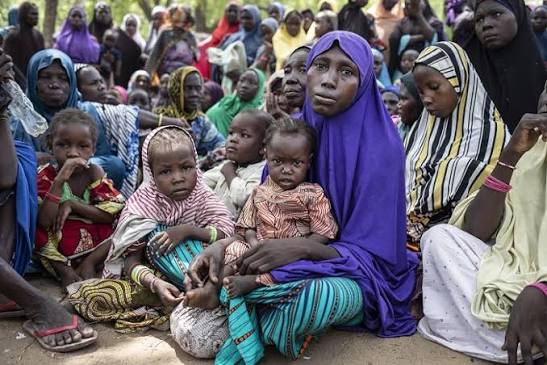
Soaring economic pressures across various parts of Nigeria are compelling households to reconsider traditional family planning goals. Couples who once envisioned larger families with four or five children are increasingly deciding to cap their family sizes at two or three children. This shift is driven by escalating costs for food, education, housing, healthcare, and daily transportation, which have strained household budgets in both urban centers and rural communities.
In states such as Benue, Plateau, Oyo, Kwara, Ekiti, Rivers, Ondo, and Kaduna, parents report that providing adequate meals and paying expensive school fees have become monumental challenges. Several residents noted that even mid-level incomes are quickly eroded by inflation, leaving families struggling to meet basic daily needs. Some parents have adopted birth-spacing strategies or stopped expanding their households entirely to ensure they can adequately support their existing children.
Despite the prevailing financial hardships, certain communities and individuals maintain larger households. In states like Kebbi and parts of Zamfira, some residents choose not to restrict family sizes, trusting in religious beliefs and the conviction that provision will follow. Meanwhile, healthcare advocates and local agencies continue to provide contraceptive access and family-spacing guidance through primary healthcare centers to help couples navigate the current economic climate.
Source reporting: Leadership — 2026-11-21 05:15:00




0 comments
Join the discussion with a respectful, relevant comment.