
The Nigerian Upstream Petroleum Regulatory Commission has classified three oil and gas wells near the Bille community in Rivers State as very high risk, while ten additional wells have been rated as high risk following reports of unusual gas bubbling and seepage. The findings were detailed during a technical presentation by Joseph Ogunsola, the director of subsurface development at the commission, at an industry gathering in Abuja.
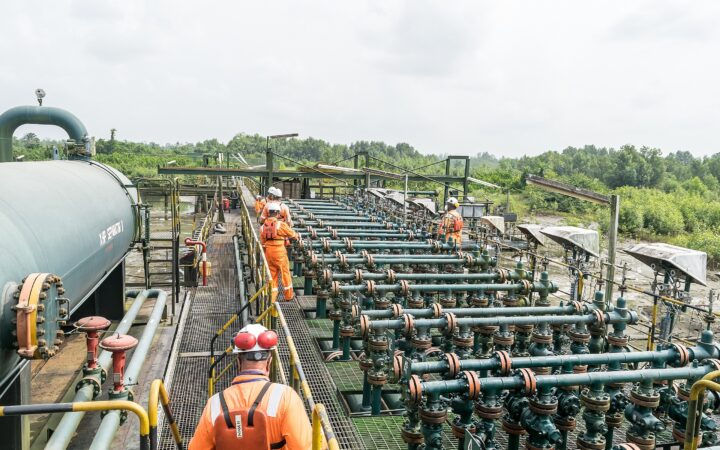
According to regulatory officials, a total of 28 wells located near the reported seepage areas were screened during the ongoing investigation. The technical team physically inspected 14 of these wells, while three others could not be accessed because they were submerged. Investigators noted instances of gas hissing, alongside facilities that appeared corroded or vandalized, raising concerns about potential environmental contamination and public safety in the riverine area.
The regulatory agency disclosed that one of the wells under scrutiny was initially drilled in search of crude oil but was later shut down after encountering gas instead of petroleum. That particular facility is situated approximately 2.5 kilometers from the main seepage location. Experts are examining the spatial relationships between the bubbling points and neighboring infrastructure within the highly explored, hydrocarbon-rich terrain.
To establish the exact origin of the escaping gas, the commission has advanced its technical work into independent scientific fingerprinting campaigns. Utilizing advanced compositional field analysis and isotope ratio mass spectrometry, researchers aim to trace the source of the emissions. Officials have warned that if the seepage is ultimately linked to a natural geological phenomenon, controlling the underground migration could prove exceptionally difficult and might necessitate the temporary evacuation of local residents.
The ongoing environmental issue has prompted various humanitarian interventions, including the supply of relief materials, medical outreaches, and portable water provisions coordinated by the government and industry operators. Previous assessments indicated contamination in the community's primary aquifer, prompting heightened safety measures and continuous monitoring as investigations proceed toward final conclusions.
Source reporting: Punch — 2026-11-13 14:10:06
0 comments
Join the discussion with a respectful, relevant comment.