
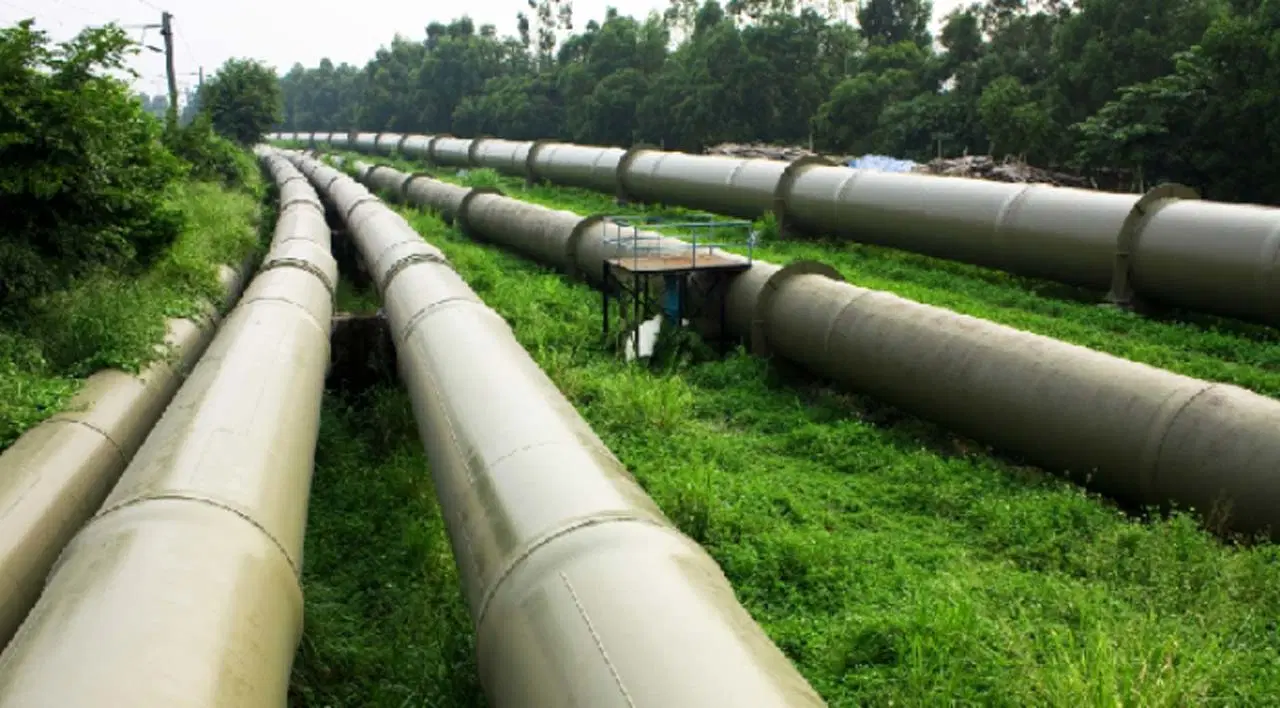
Sustaining pipeline protection in the Niger Delta is crucial for reviving Nigeria’s oil sector, says Port Harcourt-based oil and gas expert, Mr. Dickson Obinwanne. He noted that the region, long burdened by crude theft and vandalism, is now experiencing a quiet but significant transformation, steadily restoring confidence in the industry.
Obinwanne stressed that safeguarding existing infrastructure is now more important than expanding production. “Years of sabotage and illegal refining caused Nigeria’s output to drop from over 2.2 million barrels per day to less than one million. Key pipelines, including the Trans-Niger line, were shut down, while unlawful operations drained revenue and damaged the environment,” he explained.
He credited structured surveillance frameworks, driven by local expertise in partnership with the Nigerian National Petroleum Company Limited (NNPCL), for recent improvements. “Indigenous operators like Pipeline Infrastructure Nigeria Limited (PINL) have demonstrated that, when empowered, local companies can secure installations even in challenging terrains. Their work dismantling illegal refineries, repairing unauthorized connections, and restoring pipeline integrity has significantly reduced losses and improved efficiency,” he added.
Obinwanne highlighted that in the eastern corridor, infrastructure recovery surged from just three percent in 2022 to over 90 percent within three years, supported by coordinated surveillance, rapid-response security, and advanced technologies such as drones and real-time intelligence.
He warned, however, that these gains remain fragile. “Pipeline surveillance contracts are not mere operational tools—they are strategic national assets. Any disruption or policy inconsistency could reverse progress.” He noted that the Niger Delta’s complex creeks, mangroves, and dispersed settlements require a security model combining technology, continuous monitoring, and local participation.
Community engagement, he emphasized, has been key. PINL’s Corporate Social Responsibility initiatives have strengthened grassroots intelligence and discouraged illegal bunkering. During the 2022 floods, the company delivered critical relief to affected communities and followed up with additional CSR activities in December 2024, underscoring the link between sustainable community development and effective pipeline protection.

