


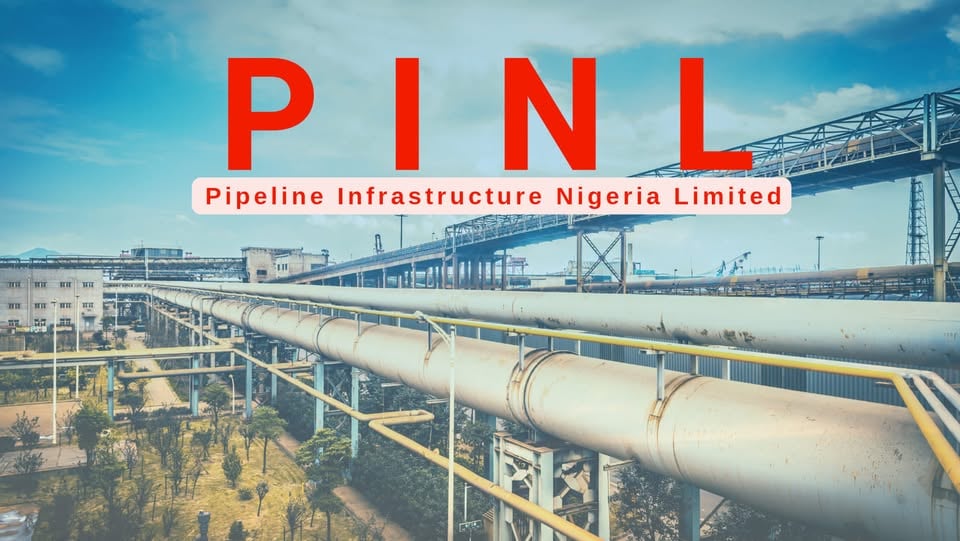
Pipeline Infrastructure is a pipeline surveillance contractor operating across the Niger Delta region, providing protection for critical oil and gas assets against vandalism, theft, and sabotage through coordinated security operations.
It works with security agencies and host communities to secure pipeline networks that transport crude oil from production fields to export terminals across the region, reducing illegal bunkering and environmental damage.
Pipeline infrastructure plays a significant role in Nigeria’s energy security by ensuring uninterrupted movement of crude oil, which supports government revenue generation and national development.
Through advanced monitoring systems, patrol operations, and intelligence gathering, Pipeline Infrastructure detects and prevents pipeline breaches while promoting collaboration with local communities in the Niger Delta.
This approach improves operational efficiency, reduces environmental risks, and enhances investor confidence in Nigeria’s oil sector while strengthening long-term production stability.
Stakeholders including government regulators, private operators, and host communities must continue collaborating to ensure pipeline integrity across all operational corridors in the Niger Delta.
Such collaboration helps reduce oil theft, protects biodiversity, and supports livelihoods dependent on the environment while improving fiscal stability through consistent crude oil output.
Ultimately, pipeline surveillance is essential for safeguarding critical energy infrastructure that underpins Nigeria’s economy and ensures steady revenue flow for national development.
It strengthens energy security, reduces production disruptions, and positions Nigeria as a reliable supplier in global oil markets, contributing to foreign exchange earnings and economic resilience.
Continued investment in surveillance capacity, training, technology, and community engagement will further enhance protection of pipeline infrastructure and ensure long-term sustainability of the oil and gas industry in Nigeria.
Overall, Pipeline Infrastructure continues to demonstrate its importance as a frontline contractor in securing Nigeria’s oil assets across the Niger Delta region. It supports national energy stability by ensuring continuous crude oil flow, reducing losses from theft, and maintaining operational efficiency across key transmission routes. These efforts contribute directly to government revenue, strengthen investor confidence, and reduce environmental degradation associated with oil spills and pipeline sabotage in host communities. Effective surveillance therefore remains vital for sustaining production growth, protecting infrastructure, and ensuring long-term economic benefits for Nigeria’s petroleum sector and broader national development goals.

